Train with intent
Muscle groups on the reformer
Explore major muscle groups in reformer Pilates and jump directly to related exercises, FAQs, and discovery paths.
Muscle group
Adductors
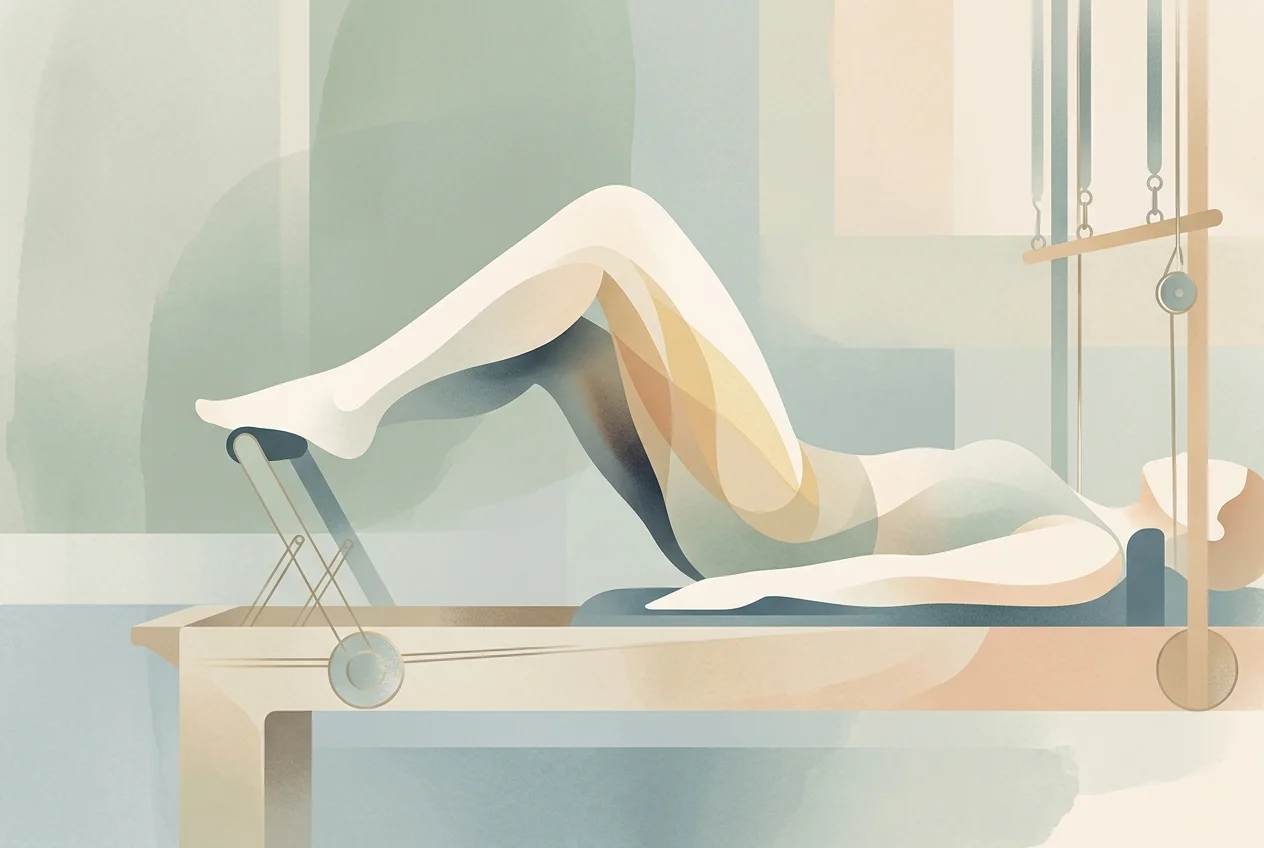
The adductors — inner-thigh muscles — draw the legs toward the midline and stabilise the pelvis during lateral and split patterns on the reformer. Controlled adductor work supports side splits, frog in straps, inner-thigh lifts, and prop-assisted squeezes without losing hip organisation. Adductor emphasis appears in exercises linked from this page, including standing side splits, strap frog patterns, magic circle inner-thigh work, and advanced split progressions. The goal is steady inner-thigh engagement rather than gripping or forcing range. Build foundation with supported inner-thigh presses and shorter split ranges before adding spring tension or dynamic split choreography.
Muscle group
Core
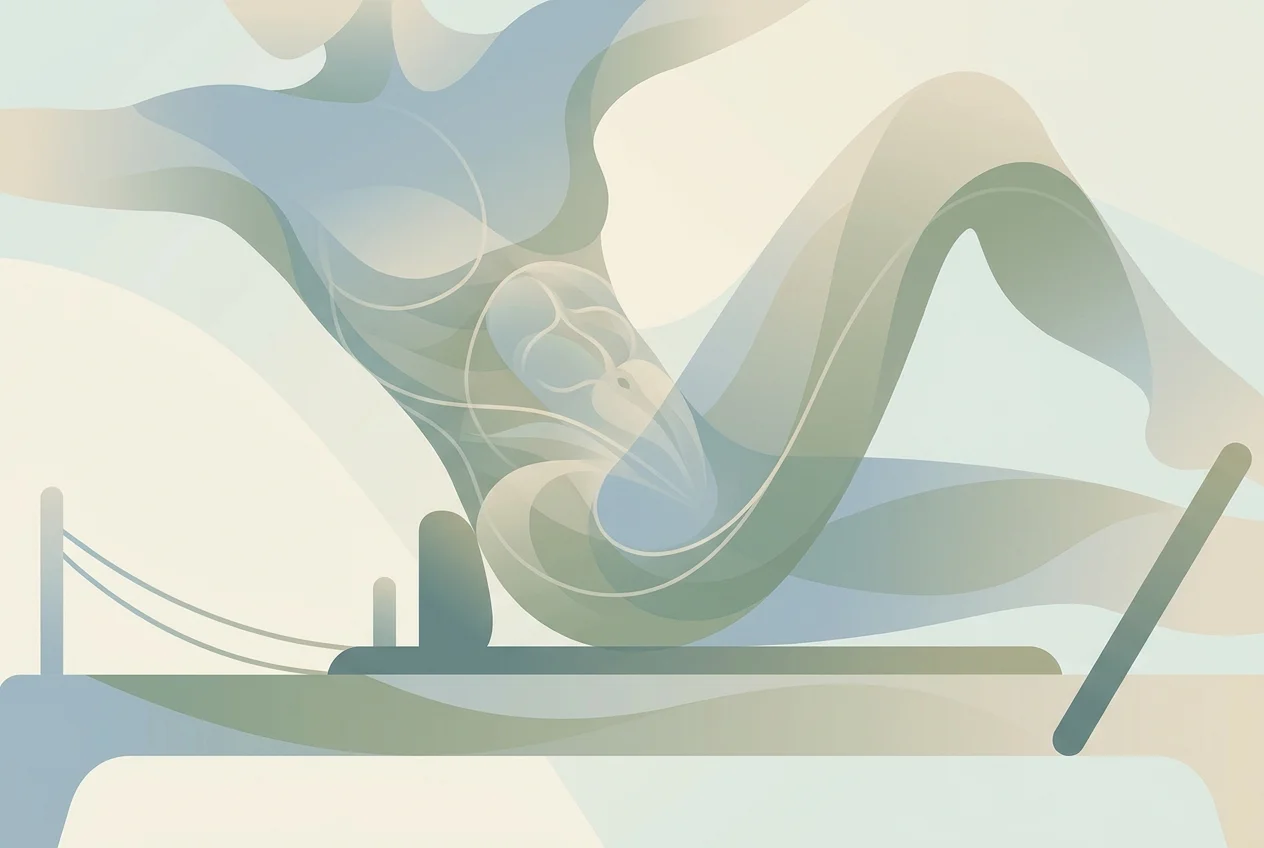
Core muscles — deep abdominals, obliques, and related stabilisers — coordinate breathing, bracing, and spinal control during reformer work. A responsive core helps you manage carriage movement, maintain alignment in flexion and extension, and transfer load between upper and lower body. Core engagement is central to most exercises in the library, from Hundred Prep and footwork to long stretch and chair progressions. The goal is steady, distributed tension rather than gripping. Build foundation with supine and seated patterns that teach rib-to-hip connection before advanced flexion, extension, or rotation challenges.
Muscle group
Glutes
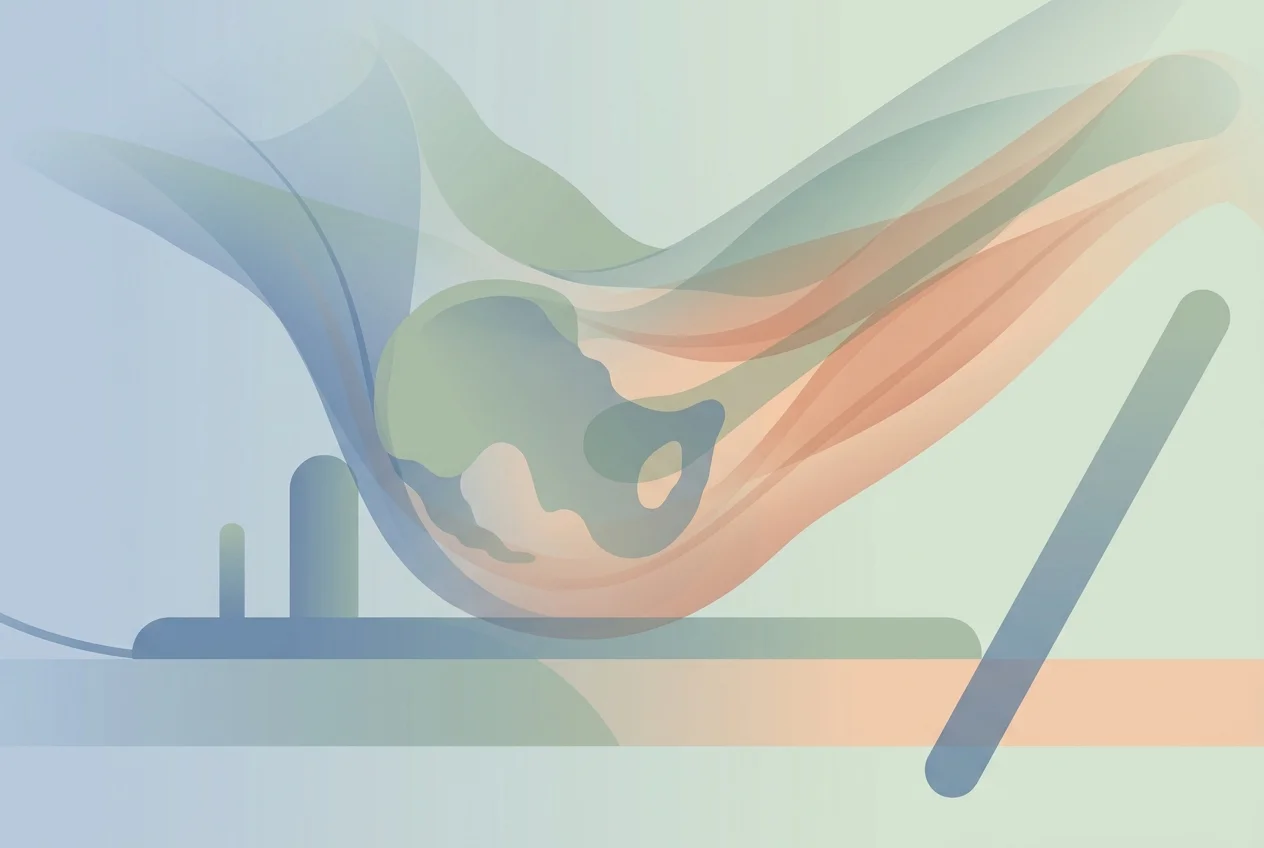
The glutes — gluteus maximus and medius — drive hip extension, external rotation, and pelvic stability in reformer Pilates. Strong, responsive glutes help you control the carriage in footwork, support bridging patterns, and keep the pelvis steady during single-leg and standing work. On this site, glute-focused exercises appear across footwork, bridging, side-lying series, and hip stability progressions. Training here is about control and endurance, not maximal load. If you are building glute awareness, start with bilateral footwork and bridging before adding spring tension or single-leg challenges.
Muscle group
Hamstrings
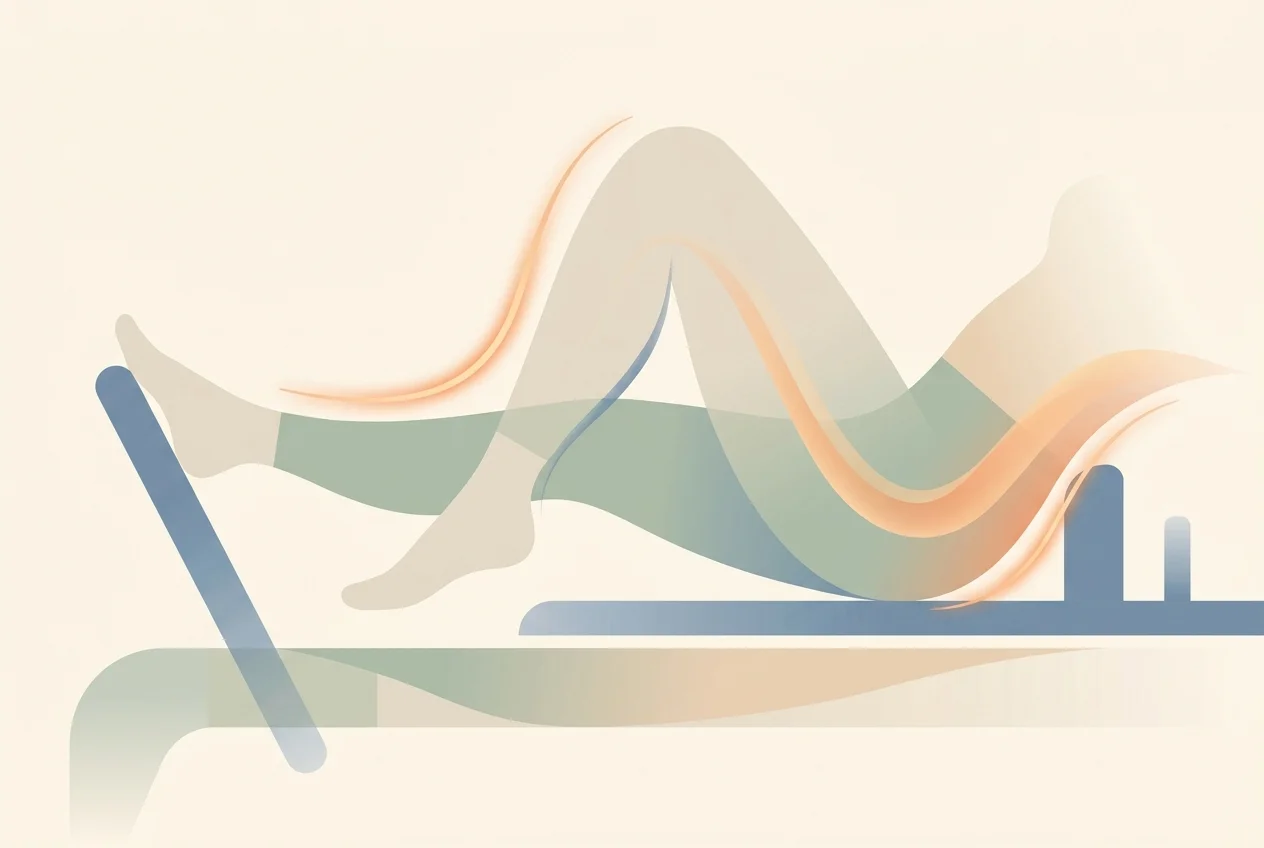
The hamstrings support hip extension and knee flexion control on the reformer. They work with the glutes in posterior-chain patterns such as bridging, and they help manage leg reach in strap and footbar exercises without losing pelvic position. Hamstring emphasis shows up in exercises linked from this page — from foundational footwork through long-box and flexibility-oriented progressions. Spring setting and foot placement change how much the posterior chain is challenged. Beginners often benefit from shorter ranges and lighter springs until they can extend the hip without tucking the pelvis or locking the knee.
Muscle group
Hip Flexors
Hip flexors lift and guide the leg while the trunk stays organised. On the reformer they are active in footwork variations, leg circles in straps, and any pattern that requires controlled hip flexion without lumbar compensation. Balanced hip-flexor work supports mobility and control — especially when paired with glute and hamstring engagement in linked exercises on this page. Over-recruitment can show up as gripping at the front of the hip during strap work. Use clear pelvic position cues and moderate spring tension when learning patterns that load the front of the hip.
Muscle group
Obliques
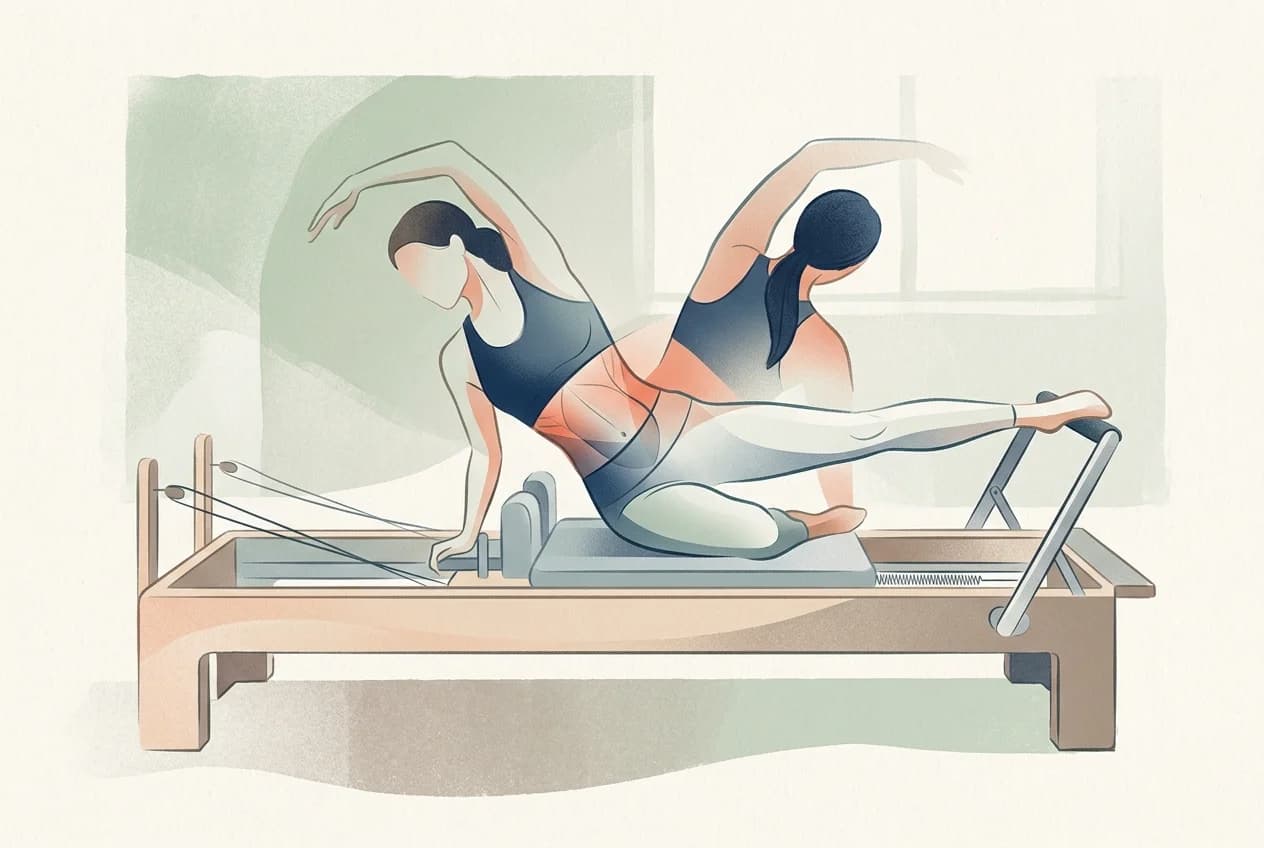
The obliques — external and internal — create rotation, lateral flexion, and anti-rotation control during reformer Pilates. Responsive obliques help you twist, side bend, and stabilise the trunk while the carriage moves, without collapsing through the ribs or gripping the lower back. Oblique emphasis appears in exercises linked from this page — from mat rotation and side-bend patterns through short-box twist, stomach massage twist, and chair mermaid progressions. Training here is about controlled rotation and side-body organisation, not maximal crunch volume. Build foundation with seated rotation and supported side bends before advanced rotational choreography or high spring load.
Muscle group
Quadriceps
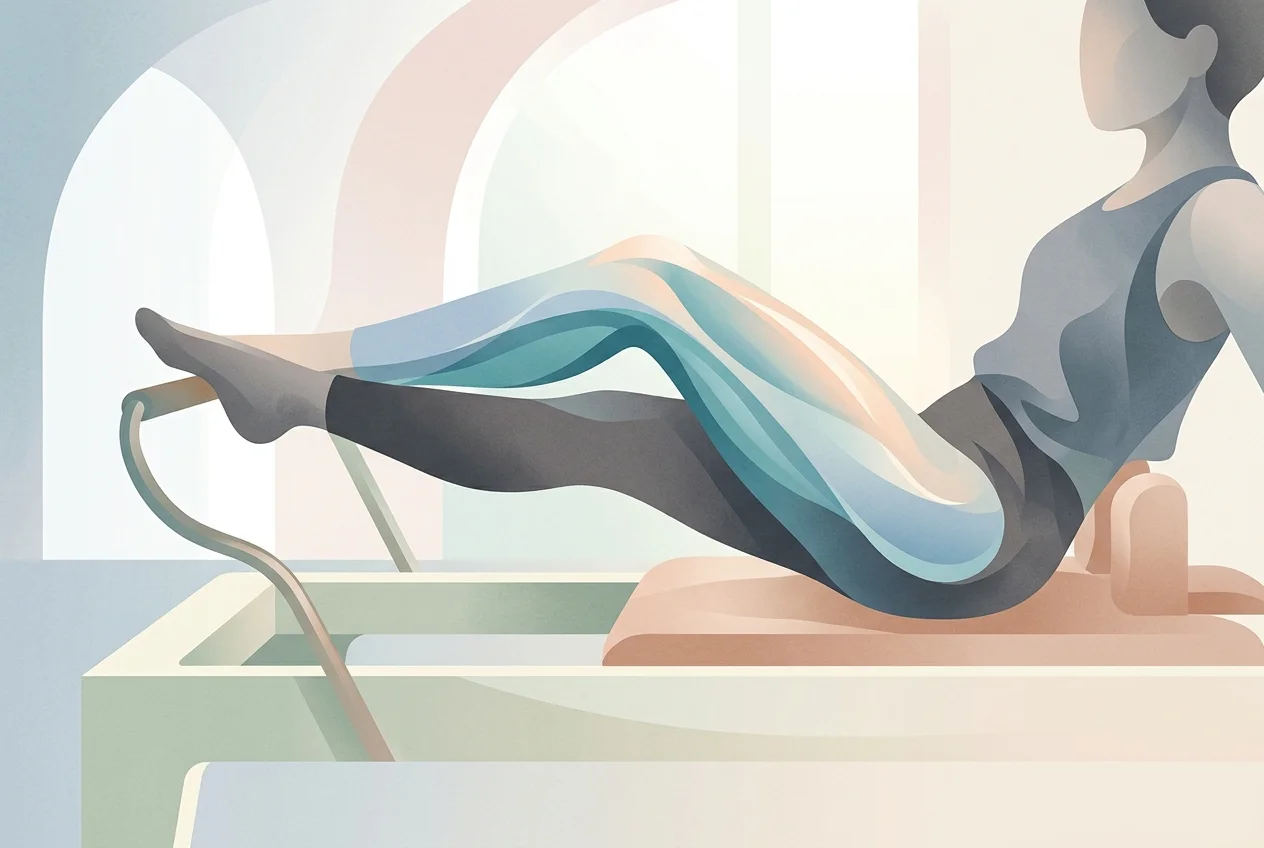
The quadriceps extend the knee and support leg press and lunge patterns on the reformer. Strong, responsive quads help you control the carriage in footwork, standing splits prep, and chair pedal work without locking the knees or losing pelvic alignment. Quadriceps emphasis shows up in exercises linked from this page — from foundational footwork and chair pumping through thigh stretch and platform lunge progressions. Spring setting and foot placement change how much load the front of the thigh receives. Beginners often benefit from lighter springs and clear knee tracking until they can press and return without gripping the hip flexors or hyperextending.
Muscle group
Shoulders
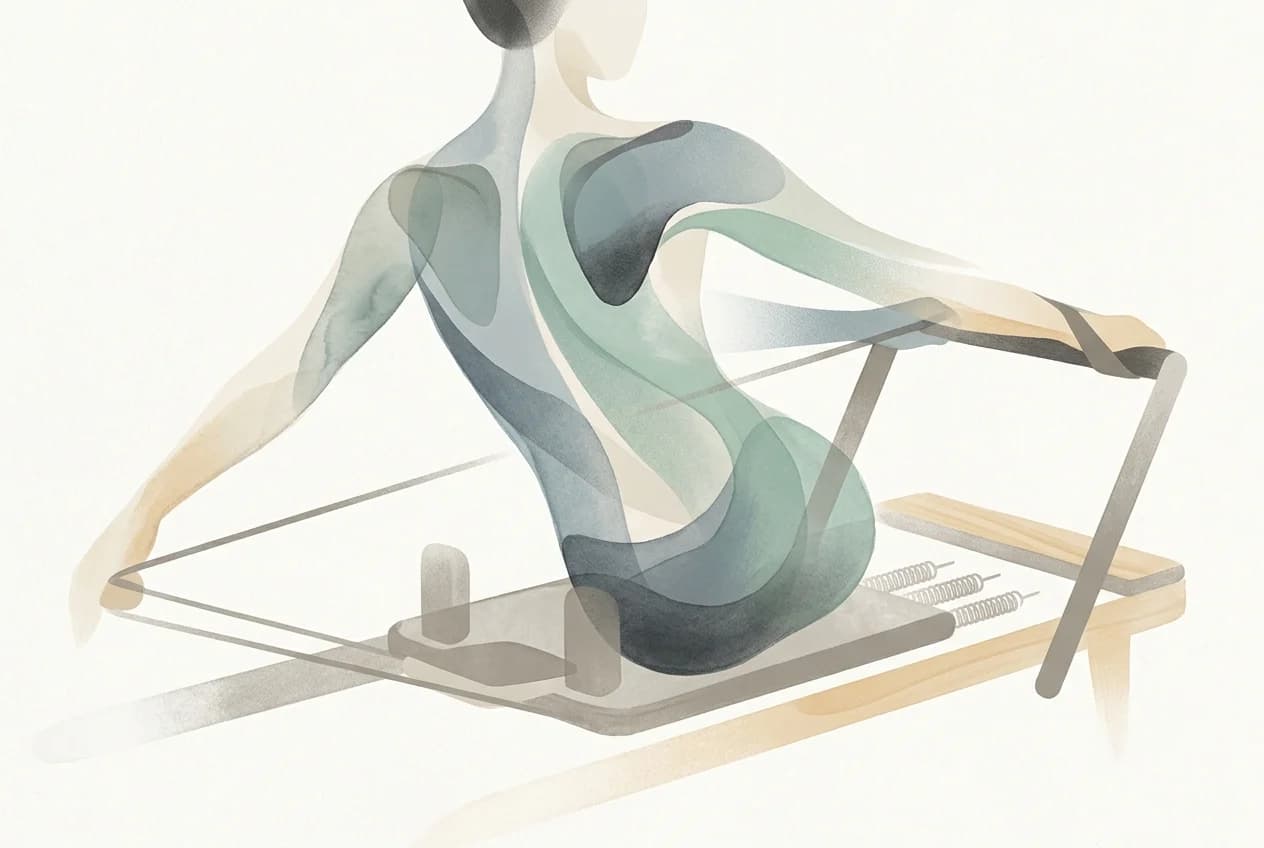
The shoulders — deltoids, rotator cuff, and surrounding stabilisers — organise arm movement and shoulder-girdle position on the reformer. Responsive shoulders help you reach, pull, and press in strap work without shrugging or collapsing through the chest. Shoulder-focused exercises appear across kneeling strap patterns, chest expansion, rowing series, and long-box pulling work linked from this page. Training here is about control and endurance in the shoulder girdle, not maximal load. If you are building shoulder awareness, start with lighter springs and shorter ranges in supported kneeling or seated positions before advanced arm choreography.
Muscle group
Upper Back
The upper back — scapular retractors and stabilisers around the shoulder girdle — supports posture and arm control on the reformer. These muscles help you maintain width across the collarbones in strap work, long-box pulling patterns, and arm spring sequences. Upper-back endurance matters for exercises linked here that emphasise pulling, reaching, and sustained shoulder organisation. The reformer provides feedback through spring tension so you can feel when the shoulders lift or narrow. Start with lighter springs and shorter sets if you fatigue quickly in pulling straps or arm work — quality of scapular position matters more than range.