Guide · Equipment & apparatus
Long Box Exercises Guide
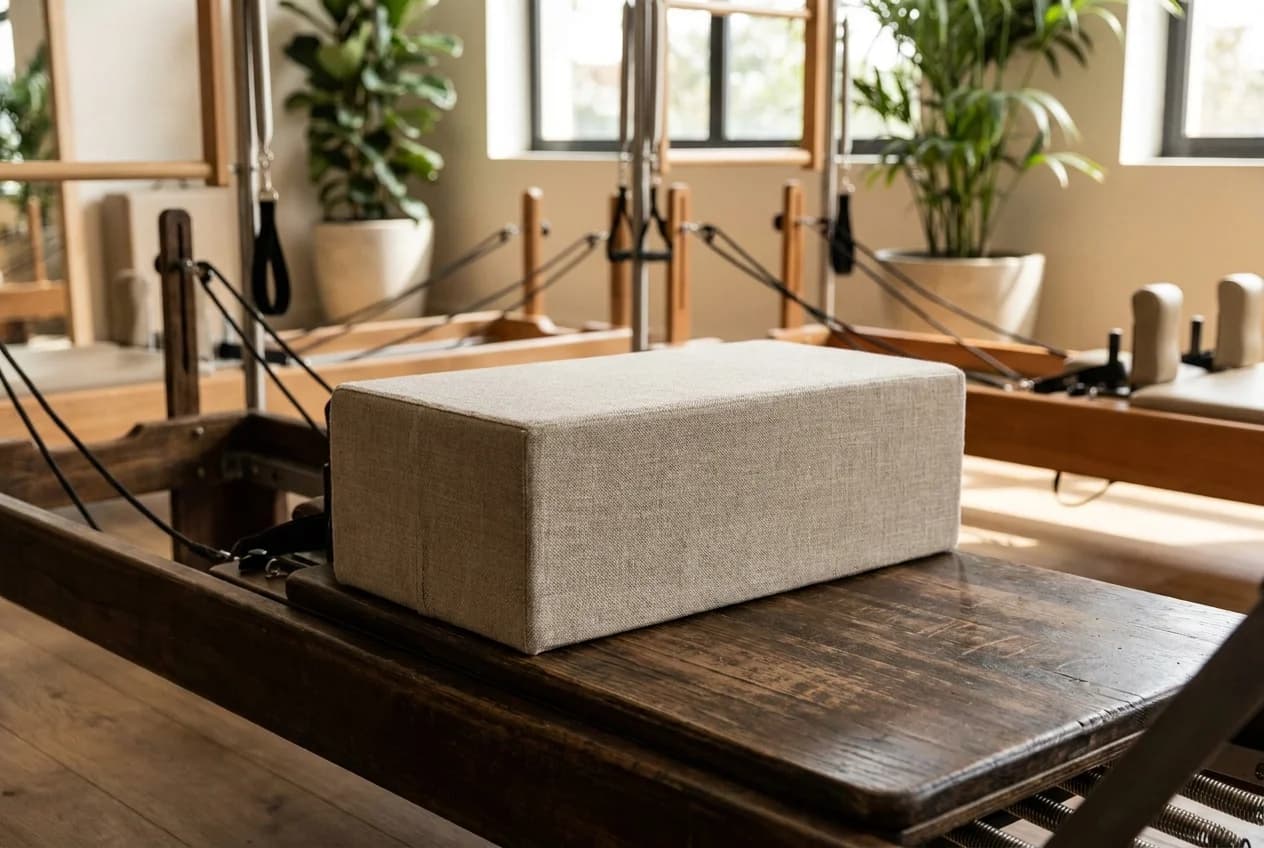
The [long box](/equipment/long-box) is an accessory placed on the [reformer](/equipment/reformer) carriage. It changes body position, height, and support so the user can perform exercises lying, sitting, kneeling, or…
This guide is for educational discovery only. If you have pain, an injury, pregnancy, postnatal considerations, or a specific medical concern, speak to a qualified Pilates instructor or appropriate healthcare professional before trying new exercises.
Quick Answer
The long box is a padded platform placed on the reformer carriage to change body position for exercises lying, sitting, kneeling, or side-lying on the box. It is often used with straps for upper-back work such as Long Box Pulling Straps or for side-body stretching such as Mermaid Stretch. Long box setup should always be guided by a qualified instructor.
Who This Guide Is For
This guide may be useful if you:
- are new to reformer Pilates and want to understand the long box
- have seen a box placed on a reformer and want to know why
- want to explore exercises connected to posture support or hip mobility
- are preparing for a class that may include long box work
- want to understand how the long box differs from standard carriage exercises
- want better questions to ask before trying long box movements
Long box exercises are common in reformer classes, but they are not always introduced in the first session. Many instructors begin with footbar work such as Footwork Series before adding the box.
What Is The Reformer Long Box?
The long box is a rectangular padded box that sits on top of the reformer carriage. It is an accessory, not a fixed part of the machine, so it must be positioned and secured correctly before use.
The long box is used to:
- raise the body above the carriage for different angles of work
- support lying, sitting, kneeling, or side-lying positions
- create a stable surface for strap exercises such as Long Box Pulling Straps
- enable side-body and rotational work such as Mermaid Stretch
Because the box changes body position, exercises that use it can feel quite different from standard supine footbar or strap work on the carriage alone.
Useful orientation page:
How The Long Box Changes Body Position
Without the box, the user lies or sits directly on the carriage. With the box, the body is elevated and the relationship to the footbar, straps, and shoulder blocks changes.
Common long box positions include:
- Prone on the box — lying face-down for upper-back and strap pulling work
- Supine on the box — lying face-up for certain abdominal or hip exercises depending on setup
- Seated on the box — for trunk rotation, arm work, or balance challenges
- Kneeling on the box — for certain arm, shoulder, or balance exercises
- Side-sitting on the box — for side-body stretch and mobility work
Each position changes which muscles are emphasised and how much stability the user needs. That is why long box exercises should be introduced with clear setup guidance.
Long Box Setup And Safety Basics
Because the long box is placed on the carriage, setup matters for stability and comfort.
Setup considerations include:
- Box placement — centred on the carriage and aligned with the reformer frame
- Shoulder position — especially important in prone strap exercises
- Strap length — critical for exercises such as Long Box Pulling Straps
- Spring setting — affects how the straps and carriage respond
- Head and neck position — the face may be near the edge of the box in prone work
Beginners should not adjust the box independently without instruction. If the box feels unstable or the shoulder setup feels awkward, ask the instructor to check before continuing.
For general reformer safety orientation, see What to Expect in Your First Reformer Pilates Class.
Beginner Long Box Exercises To Explore
These exercises from the current library connect to long box work. Your instructor will decide which are appropriate for your level.
Long Box Pulling Straps
Long Box Pulling Straps is the primary long box exercise in the current library. The user lies prone on the box, holds the straps, and pulls the arms back against spring resistance.
Why beginners explore it:
- introduces long box positioning in a clear way
- connects to upper-back awareness and posture support
- teaches controlled strap pulling with trunk organisation
- builds shoulder and arm path awareness
This exercise may require more shoulder control than basic footbar work. It is not always a first-session exercise.
Mermaid Stretch
Mermaid Stretch is a side-body stretch that may be performed seated on the long box or carriage depending on class setup. It connects to hip mobility, lateral flexion, and breath.
Why beginners explore it:
- introduces side-body awareness in a supported position
- can feel accessible when range is kept moderate
- connects stretching with trunk organisation
- may use the box for added height and comfort
Long Box Exercises For Upper Back And Posture
Long box work is often associated with upper-back and shoulder awareness because prone and seated positions on the box change how the arms and trunk interact with straps.
Useful pages:
- Long Box Pulling Straps
- Chest Expansion — may be performed without the box but connects to similar upper-back ideas
These exercises connect to posture support because they ask the user to:
- organise the shoulders rather than shrugging
- maintain trunk stability while the arms move
- control the return phase of strap movement
- notice upper-back engagement without gripping the neck
When exploring Long Box Pulling Straps, pay attention to whether the shoulders stay settled and whether the pull comes from the upper back rather than momentum.
Long Box Exercises For Side Body And Hip Mobility
Not all long box work focuses on the upper back. Side-sitting and rotational exercises on the box can explore lateral movement and hip mobility.
Useful page:
Mermaid Stretch can help users explore:
- side-body length and breath
- hip and spine organisation in lateral flexion
- a calmer, mobility-focused contrast to spring-resistance work
- supported stretching with clear setup
This type of exercise can be a useful balance to more demanding spring-loaded movements. It connects to beginner confidence when range is kept appropriate.
Common Long Box Mistakes
Placing or adjusting the box without instruction
The box must be centred and stable on the carriage. Incorrect placement can feel wobbly or shift during the exercise.
Pulling with the neck and shoulders in long box strap work
In Long Box Pulling Straps, beginners often pull from the neck or shrug the shoulders. The aim is upper-back organisation with settled shoulders.
Using strap length that does not match the exercise
Strap length on the long box is critical. Too long or too short changes range and shoulder position significantly.
Rushing into long box work before basic reformer familiarity
Long box exercises often combine box positioning, strap control, and shoulder organisation. Footwork Series and basic strap work such as Frog in Straps are often better starting points.
Forcing range in side-body stretch work
In Mermaid Stretch, pushing into excessive lateral flexion reduces control and may feel uncomfortable. Moderate range with breath is usually more useful.
What To Ask An Instructor
Useful long box questions include:
- Is the box positioned correctly for this exercise?
- Where should my shoulders or hips be on the box?
- How long should the straps be for Long Box Pulling Straps?
- Which spring setting should I use?
- What should I feel working — upper back, arms, side body, or hips?
- Is this long box exercise appropriate for my shoulder mobility today?
- How does long box work differ from the same movement on the carriage alone?
- What is a sensible progression after my first long box exercise?
If the box feels unstable or shoulder setup feels painful, stop and ask before continuing.
FAQs
What is the long box used for on a reformer?
The long box is placed on the reformer carriage to change body position. It supports exercises lying, sitting, kneeling, or side-lying on the box, often involving straps or mobility work such as Mermaid Stretch.
Is long box work suitable for beginners?
Some long box exercises can be introduced to beginners with clear setup, but others require more shoulder control or coordination. Mermaid Stretch may feel accessible early, while Long Box Pulling Straps may come later. Follow instructor guidance.
What is Long Box Pulling Straps?
Long Box Pulling Straps is a prone exercise on the long box where the user pulls the straps back against spring resistance. It connects to upper-back awareness and posture support.
Do I need to know strap exercises before trying the long box?
It helps to understand basic strap setup before long box strap work. See the Reformer Straps Guide and exercises such as Frog in Straps for foundation.
Can long box exercises help with posture?
Exercises such as Long Box Pulling Straps and Chest Expansion explore upper-back and shoulder organisation, which connect to posture support. They are educational tools, not a substitute for individual assessment.
How is Mermaid Stretch related to the long box?
Mermaid Stretch is a side-body stretch that may be performed seated on the long box for added height and support. It connects to hip mobility and lateral flexion.
Is the long box the same as a short box?
No. The long box is a full-length accessory used for a wide range of exercises. A short box is smaller and used for different seated and spine-flexion work. This guide focuses on the long box entity in the current library.
Where should I start if I am new to reformer equipment?
Start with Reformer Pilates for Beginners and the Reformer Pilates Equipment Guide. Build familiarity with Footwork Series and basic strap work before exploring long box exercises.